

opium

Afghanistan: opium crop breaks record

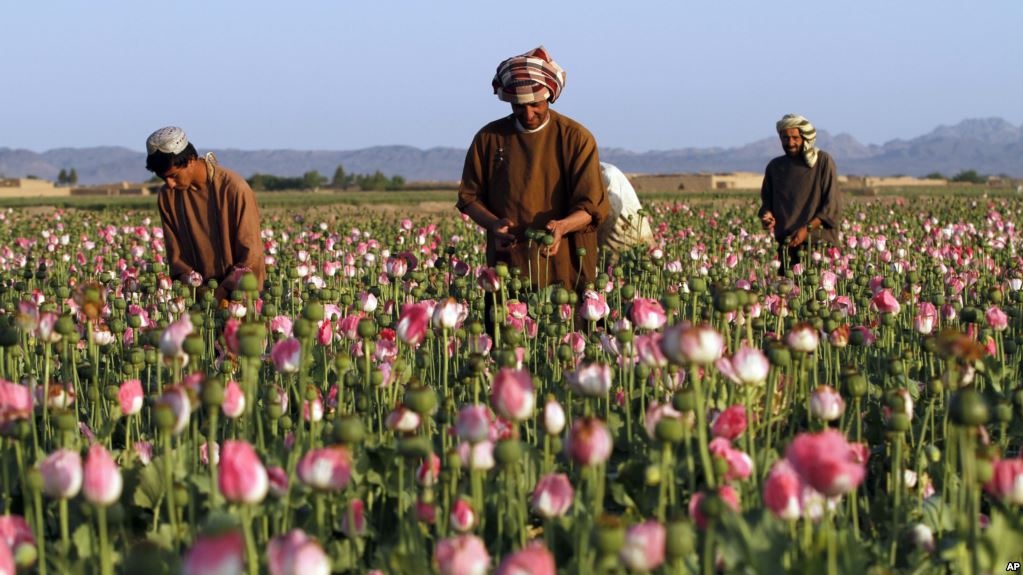
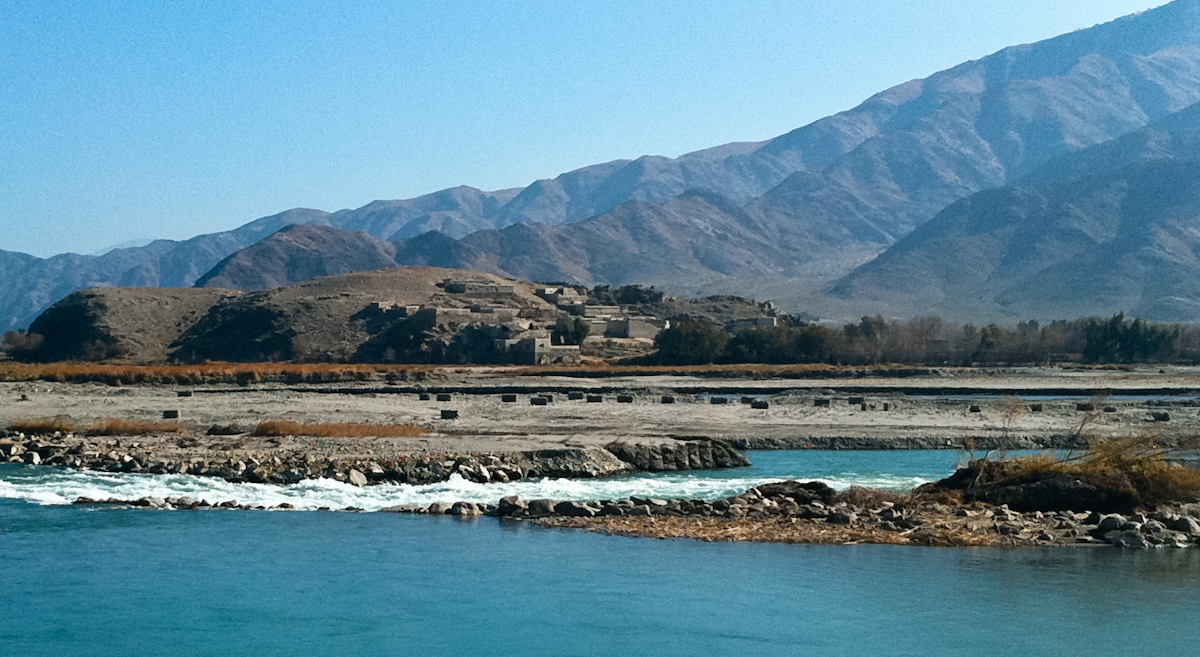
Opium cultivation in Afghanistan is expected to increase for a third straight year, expanding even to new areas of the country, a UN report warned April 15. The Afghanistan Opium Risk Assessment 2013 found that the country is moving towards record levels of opium production this year despite eradication efforts by the international community and Afghan government. "The assessment suggests that poppy cultivation is not only expected to expand in areas where it already existed in 2012... but also in new areas or in areas where poppy cultivation was stopped," the survey found. The study by the UN Office of Drugs and Crime (UNODC) says insecurity and lack of agricultural assistance are fueling opium cultivation. "Villages with a low level of security and those which had not received agricultural assistance in the previous year were significantly more likely to grow poppy in 2013," the report said.

China: drug lord's execution sparks dissent

Accused Burmese drug lord Naw Kham was executed in China on March 1 along with three accomplices in the murder of 13 Chinese merchant sailors on the Mekong River in 2011. The executions were carried out by a court in Kunming, Yunnan province. Thai national Hsang Kham, Lao national Zha Xika, and Yi Lai, who was named as "stateless," were executed by lethal injection along with Naw Kham. In an unusual move, authorities allowed state media to film Naw Kham during his transfer from a detention center to the court's execution area. China Central Television showed police removing Naw Kham's handcuffs and binding his arms behind his back with rope, a standard ritual before executions in China. The executions themselves were not broadcast, as cameras were not allowed in the death chamber. But the spectacle still sparked dissent on the Internet within China. 

US, Afghan forces accuse each other in abuses

Afghan President Hamid Karzai on Feb. 25 ordered all US Special Forces out of two key provinces within two weeks, accusing Afghan units under their command of being responsible for the torture, abuse and disappearance of civilians. Wardak and Logar provinces, lying just outside Kabul, are considered strategic gateways to the capital. Karzai's charges reference two apparently recent incidents: The disappearance of nine civilians following a special forces operation, and the death of a student who was taken away during a night raid and whose body was found two days later under a bridge with his throat cut and signs of torture. The US has denied its forces were involved.

India: Naxalite hand in opium trade?

Following a series of raids on the strongholds of Naxalite rebels and the slaying of top commanders, authorities say the guerillas' leaders have taken refuge in India's northeastern hinterlands, seeking to regroup and resupply—through control of opium production in their traditional strongholds. Home Ministry Joint Secretary MA Ganapathy said that Naxalites in Chhattisgarh, Jharkhand and Andhra Pradesh are producing opium in their jungle territories. "Intelligence reports say that the Maoists have joined hands with drug cartels to cultivate opium, which is subsequently delivered to the mafia, who convert raw opium into heroin and smuggle the drug outside the country," he said. The proceeds are reportedly used to purchase weapons in the northeast that come across the border from Burma.

Burma: Kachin rebels agree to peace talks

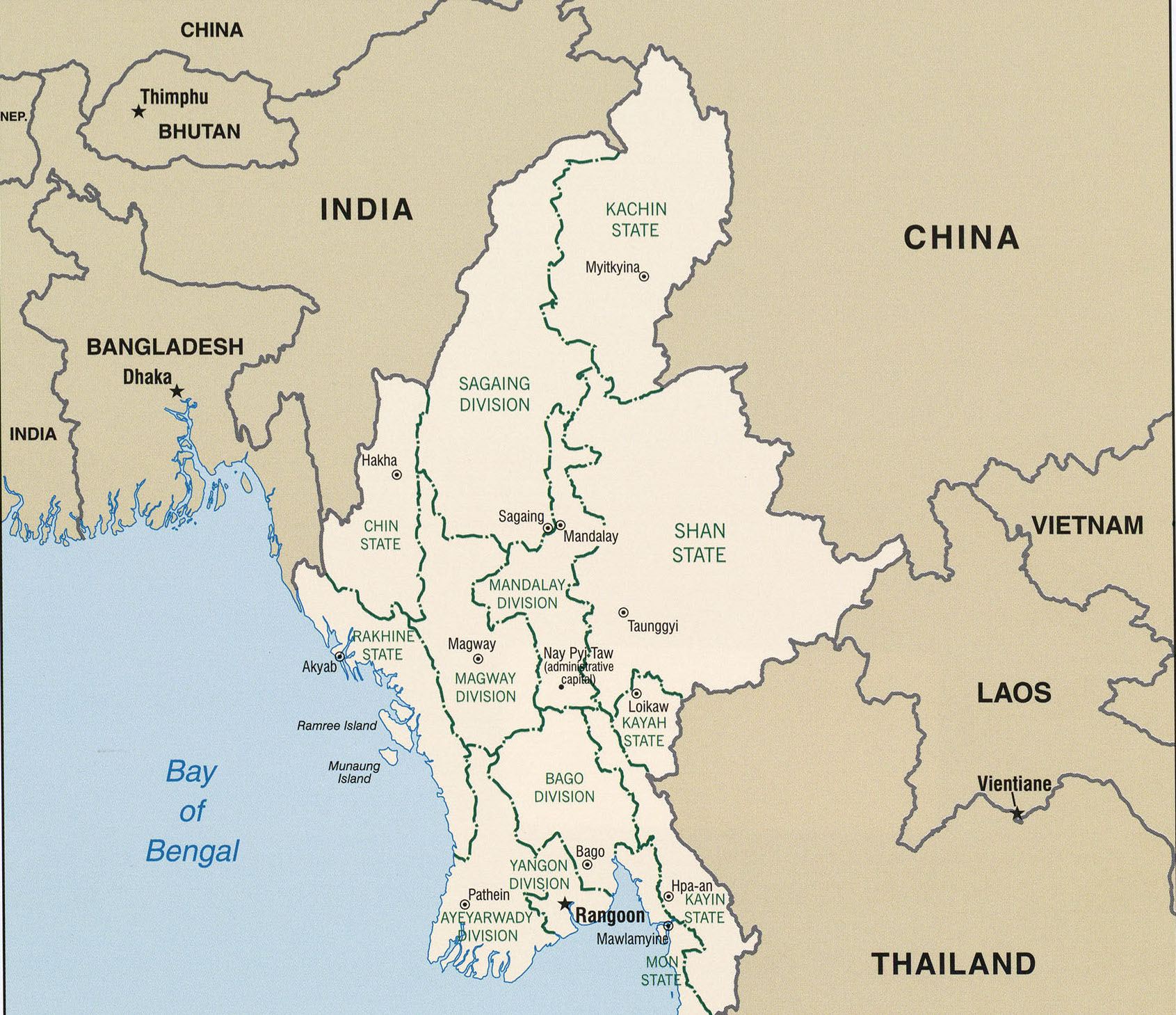
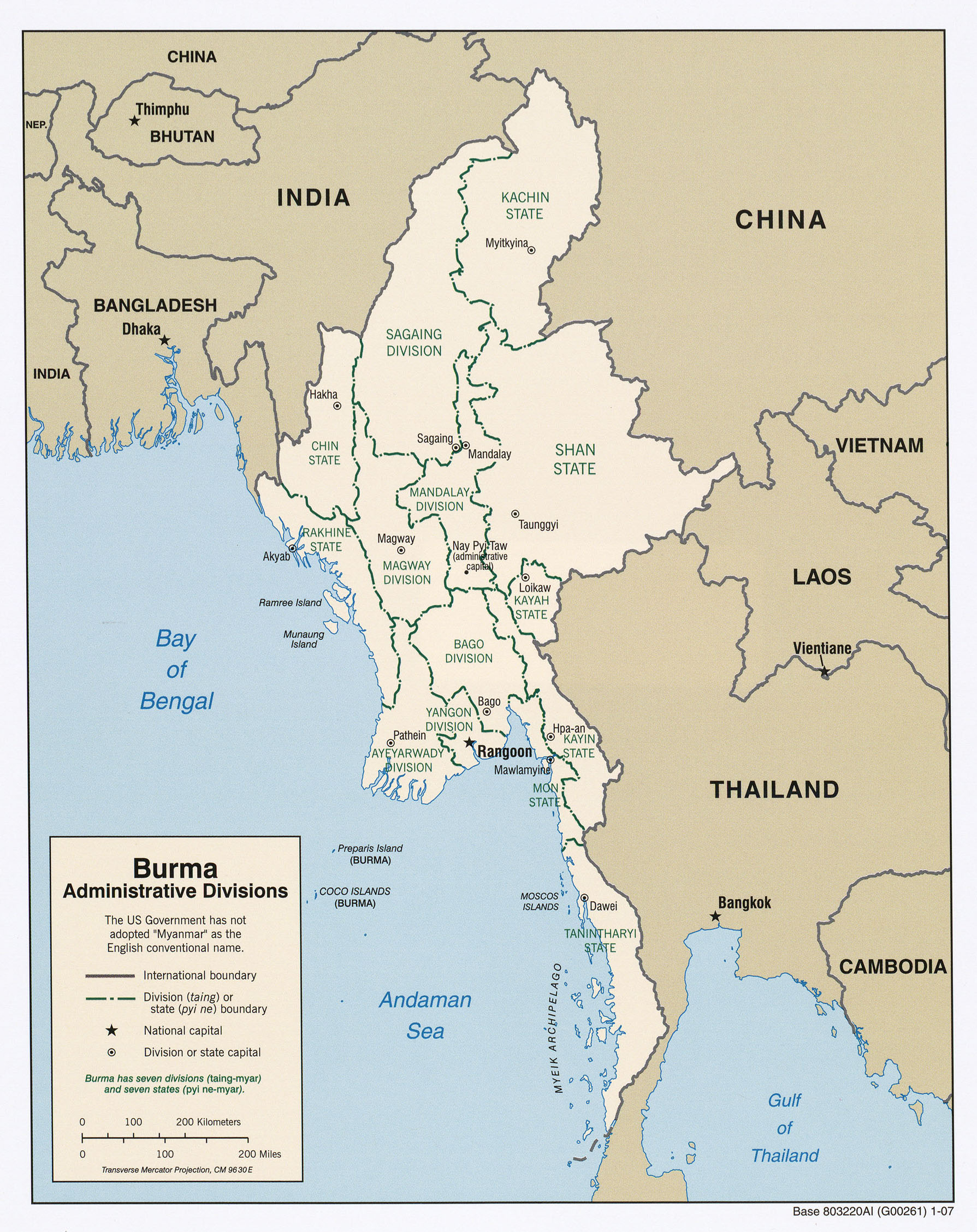
Burmese government negotiators and representatives from the Kachin Independence Organization (KIO) this week agreed to hold talks at Panghsang in northern Shan state, territory under the control of the United Wa State Army (UWSA), another rebel group that has entered into a peace deal.  The KIO, the political wing of the Kachin Independence Army (KIA), accepted the plan Jan. 29. No official date has been set for the talks as government troops inch closer to Laiza after taking a key KIA hill station over the weekend, which served as the last line of strategic defense for the Kachin stronghold.

US blacklists Afghan airline for opium trafficking

One of Afghanistan's top airlines has been officially blacklisted by US authorities for allegedly trafficking opium on civilian flights, the Wall Street Journal reported Jan. 25. Kam Air is said to be smuggling "bulk" quantities of the drug to Tajikistan, a major export route to international markets. US Army Maj.-Gen. Richard Longo, commander of Task Force 2010, a coalition anti-corruption unit,  stated: "The US will do no business with those who fund and support illicit activities. Kam Air is too large of a company not to know what has been going on within its organization." Gen. Longo confirmed that his task force has conducted an investigation into Kam Air but said details remain classified. The airline remains barred from US contracts, even as Kam Air is in talks to merge with Afghanistan's state-owned carrier, Ariana Afghan Airlines.

Burma: new airstrikes on Kachin rebels

The Burmese military on Jan. 2 claimed responsibility for several air-strikes against Kachin rebel positions in the country's north—less than a day after the government denied that the strikes had taken place. The military statement said that "an assault mission, utilizing air-strikes, was carried out" in the strategic Lajayang region, less than 13 kilometers from the rebels' headquarters in Laiza. This contradicts an earlier government claim that it was only using air forces to "deliver food supplies to its troops" and "to provide security for the workers who are repairing roads and bridges."

Mexico: peasant ecologist killed in Guerrero

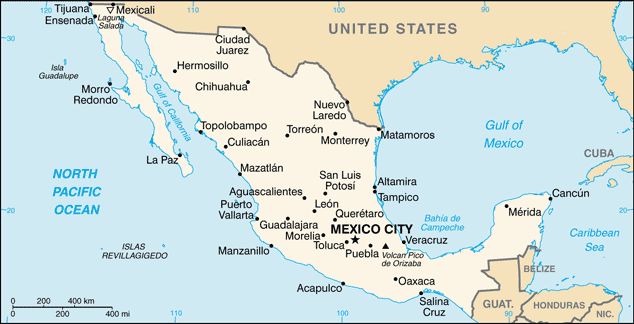
Juventina Villa Mojica, an environmental activist in the village of Coyuca de Catalán, in Mexico's southern state of Guerrero, was murdered along with her 10-year-old son on Nov. 28, in a mountaintop attack by up to 30 gunmen. Villa had ridden in an all-terrain vehicle with her two children up a mountain to get a cellphone signal, as there are no telephones in the village.  Her seven-year-old daughter survived unharmed. State prosecutors report that the ambush took place despite the presence of 10 state police officers who had been assigned to protect her following death threats on Villa and deadly attacks on her family members. Manuel Olivares Hernández, director of the local Centro Morelos human rights group said Villa was targeted by narco gangs for her efforts to protect the forest. "It's a virgin area with rich forest areas, and the main interest of drug traffickers is cutting down the trees so that once it is deforested they can expand their drug fields," Olivares said.

Syndicate content